
Before diving into the different types of dentures, let’s start with the basics: what exactly is a denture? A denture is a custom-made set of artificial teeth designed to replace those that have been lost. Depending on your needs, dentures can be complete or partial — replacing all teeth in the upper or lower jaw, or just a few missing ones. Most dentures are removable, making them easy to clean and maintain. When all teeth are missing, dentures do more than restore your smile — they also support your overall health. They make eating and speaking easier and help maintain the shape of your face by preventing the muscles from sagging, a common effect of tooth loss that can make you look older.
If you’re concerned about how dentures might look, rest assured — modern dentures can be custom-made to match your natural teeth and even improve your smile’s appearance.
Now that you know the basics, let’s take a closer look at the different types of dentures, their materials, costs, and how to choose the best option for your smile.
Types of Dentures
There are several types of dentures, depending on how many teeth you need to replace, the materials used, and what feels most comfortable for you. Each type has its own advantages when it comes to fit, function, and appearance. Let’s take a closer look at the main types of dentures and how they differ — so you can find the one that best suits your needs and helps you smile with confidence.
Full dentures
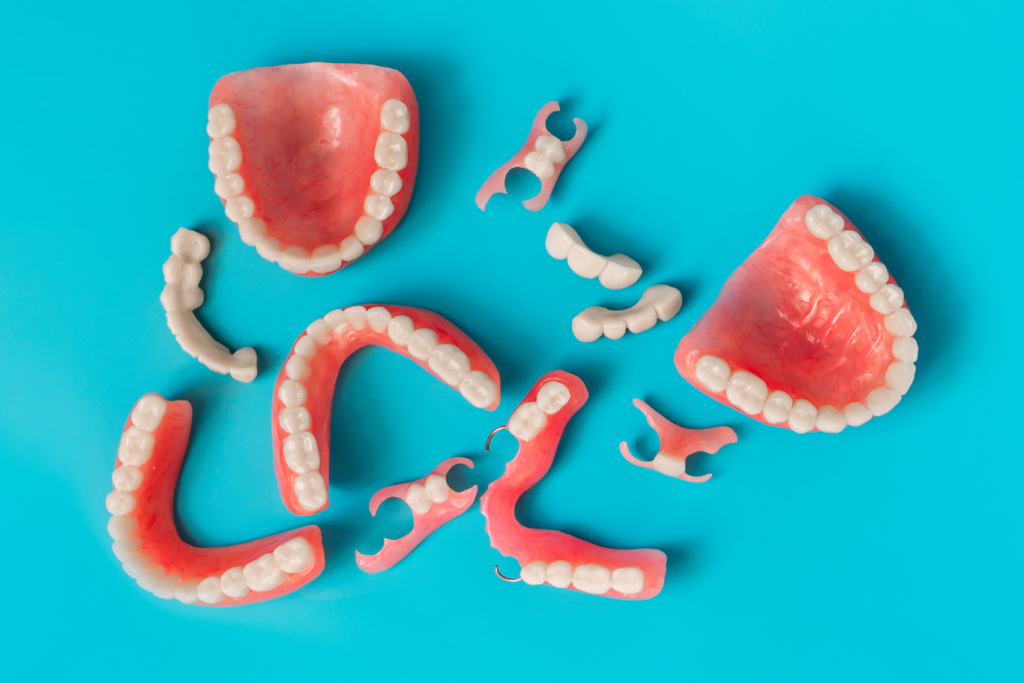
Full dentures are the most recognizable type. They are artificial teeth on a gum-colored base and are fully removable. They are worn during the day and removed at night to allow your gums to rest. Full dentures are fitted once any remaining teeth have been removed, and gums have healed, which can take a few months.
Partial dentures
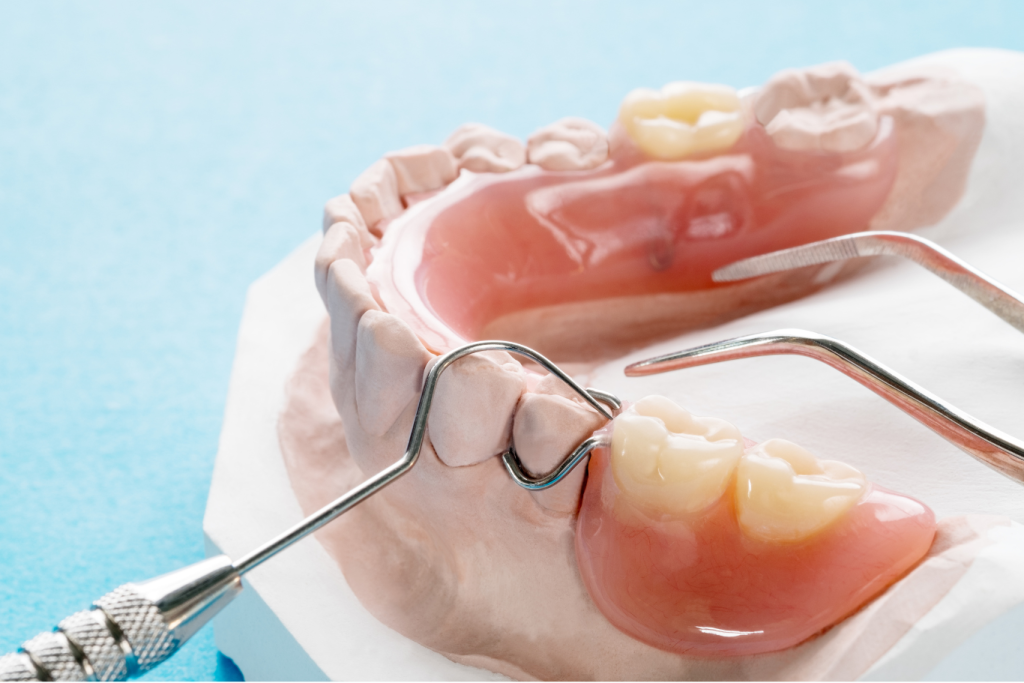
Partial dentures are designed for people missing several in one or both jaws, or even replacing a single missing tooth when suitable. Similar to full dentures, they rest on the gums and underlying bone for support, using metal or flexible clasps that connect to natural teeth for extra stability.
Immediate dentures (Temporary dentures)
Immediate dentures are inserted the same day your remaining teeth are removed. In this case, the dentist will take measurements and make models of your jaw. This way, you don’t have to go without teeth during healing.
However, adjustments or a replacement may be needed once your gums and bone heal. In some cases, your dentist may be able to fit your final denture immediately after surgery – they’ll guide you based on your situation.
Overdentures
Overdentures are a good option when some natural teeth can be preserved to help maintain the jawbone. The remaining tooth roots provide additional stability and support for the denture.
Implant-retained dentures
Unlike traditional dentures, implant-retained dentures attach to dental implants embedded in the jawbone. They “snap” onto the implants, offering superior stability without needing adhesive. These are often called snap-in dentures and are still removable for cleaning.
Implant-supported dentures
Also known as permanent or hybrid dentures, so as you may have guessed they are non-removable. They don’t snap in and out, which means only your dentist can remove them.
Implant-supported dentures are perfect for people who don’t want to remove their denture every night. However, because they cannot be removed, they require daily cleaning, including flossing underneath the denture.
Denture Types by Material
Now that we understand the different types of dentures, let’s look at how they vary based on the materials used to make them.
Your dentist will help you decide which is best based on your needs, comfort, and budget. Some of the factors they will consider include:
- Whether you need full or partial dentures
- How much durability or comfort you need
- Your budget and preferences
Acrylic resin dentures
Commonly used for full dentures. Pink acrylic will be used for the gum base, and acrylic or porcelain may be used for the teeth.
Advantages:
- Lightweight and easy to adjust
- Affordable and easy to repair
Disadvantages:
- Less durable over time
Porcelain dentures
Also used for full dentures, but the result is more natural-looking than acrylic.
Advantages:
- Feels more like real teeth (in weight and hardness)
- Durable and stain-resistant
Disadvantages:
- Can break if dropped
- Not ideal for partial dentures (may wear down natural teeth)
Metal dentures
Metal dentures typically have a cobalt-chromium metal framework, and acrylic teeth and gums on top. They are used for partial dentures.
Advantages:
- Strong, thin and long-lasting
Disadvantages:
- More expensive
- Not as aesthetic (metal may show)
Other materials
There are also other materials used for making dentures such as:
- Flexible nylon (thermoplastic resin)
- Used for flexible partial dentures, these contain no metal parts, making them more discreet.
Advantages:
- Comfortable and lightweight
- Blends with gums naturally
- Metal-free option
Disadvantages:
- Harder to adjust or repair
3D-Printed or CAD/CAM Dentures
These are newer options in the dental industry, made with high-precision technology and durable acrylic resin. They’re made using a 3D scan and printer to ensure a precise, comfortable fit.
Advantages:
- Faster production
- Better fit with fewer appointments
- Modern, accurate and more efficient
Disadvantages:
- Limited availability as they are still evolving in some practices
Types of Dentures and Cost
As we have already seen, dentures come in different types depending on how many teeth you are missing, your oral health, and your budget.
Here are common factors that affect pricing:
- Materials (basic vs. premium)
- Type of denture
- Dentist or specialist fees
- Lab quality and location
- Need for extractions, implants, or surgery
Here’s a breakdown of the most common types — and what you can expect to pay.
Full Dentures:
- $1,000–$3,000 per arch
- Premium version up to $5,000 for custom-fit, high-end materials.
Partial Dentures:
- $700–$2,500
- Replaces a few missing teeth.
Flexible Partial Dentures:
- $900–$2,000
- More natural feel and flexibility.
Implant-Supported Dentures:
- $3,500–$7,000+ per arch
- Full mouth can range $15,000–$30,000+; superior stability.
Immediate Dentures:
- $1,500–$3,000 per arch
- Temporary solution after tooth removal.
Overdentures:
- 1,500–$6,000
- Supported by natural teeth or implants.
Digital Dentures:
- $2,000–$5,000 per arch
- Designed digitally for comfort, and precision.
Please note: These costs are approximate averages based on U.S. data and may vary depending on your location, the materials used, your dentist’s fees, and the complexity of your treatment.If you’re concerned about affordability, learn more about our financing options to make your denture treatment more manageable.
How to Choose the Right Type of Dentures?
Your dentist will evaluate your mouth, including your jaws, gums, and any remaining teeth. They’ll also take dental X-rays to check the thickness of your jawbone.If your dentist agrees that you’re eligible for dentures, they’ll discuss your options with you based on:
- How many teeth you’re missing
- How long your teeth have been missing
- Preference for removable or fixed dentures
- Jawbone density and structure
- Bite alignment and overall oral health
Alternatives to Dentures
If you are not eligible for dentures or prefer to explore another solution, you can consider dental implants or dental bridges.
Dental implants
Dental implants are the most common alternatives to dentures. They replace teeth and stimulate the jawbone, helping prevent bone loss. Though more expensive, with proper care they can last a lifetime.
Dental bridges
Dental bridges are an effective alternative if you still have several healthy teeth. They consist of crowns attached to natural teeth on either side of a gap, supporting an artificial tooth in between.
Frequently Asked Questions
What is the newest type of dentures?
The newest dentures are digital (3D-printed or CAD/CAM) dentures. These use digital scans instead of traditional molds, offering greater comfort, accuracy, and a more natural look. Your dentist can advise if this option suits your jaw structure and budget.
What type of dentures are the most natural looking?
The most natural-looking dentures are usually:
- Custom-made
- Use high-end acrylic or porcelain
- Designed with your facial features, teeth and gum color
- Often implant-supported or digitally designed
We have listed the most natural-looking options from most to least:
- Premium acrylic dentures: Custom shading and layering mimic natural gums and enamel.
- Porcelain dentures: reflect light like real teeth for lifelike aesthetics.
- Implant-supported dentures: Stay securely in place and look very natural.
- Digital (3D-Printed) dentures: Offer excellent fit and a realistic, natural finish
What type of dentist does dentures?
Most general dentists provide the most standard denture treatments, including full and partial dentures. For more complex or cosmetic cases, your dentist may refer you to a prosthodontist — a specialist in replacing teeth. If you need any teeth removed or surgery before getting dentures, an oral surgeon might help with that part of your treatment.
Can I sleep with dentures in?
Most people sleep without their dentures because it’s more comfortable and it gives the gums a rest. Whether you sleep with or without them, it’s important to take them out for at least eight hours every day.
Are dentures covered by insurance?
Yes — many dental insurance plans in the U.S. cover dentures, but your specific plan determines how much they cover. Dentures typically fall under the “major services” category, and coverage is often partial, meaning you’ll still be responsible for part of the cost.
Disclaimer:
This content is for informational purposes only. It does not constitute medical or dental advice. Always consult a qualified orthodontist or dental professional for diagnosis and personalized treatment recommendations.
Sources:
- MedlinePlus – Dentures
- American Dental Association – Dentures
- MDPI – Polymeric Denture Base Materials: A Review
- Centers for Medicare & Medicaid Services – Medicare Dental Coverage
- Care Credit – How Much Do Dentures Cost? Average Price by Type and State
- GoodRx – Dentures Cost by Type: Partial, Full, and More