
Choosing between a root canal and a dental implant can be hard. This is especially true when you have tooth pain or damage. Both treatments are effective, but they serve different purposes. This guide explains when each option is recommended, how the procedures differ, what to expect with cost and recovery, and how to choose the best option for your long-term oral health.
When is a root canal or dental implant needed?
Before comparing root canal vs dental implants, it’s important to understand why each treatment exists.
A root canal is used to save your natural tooth when the nerve inside is inflamed or infected. It cleans and repairs the inside of the tooth so you can keep it in place and continue chewing comfortably.
A dental implant is used when a tooth is missing or too damaged to save. It acts like an artificial tooth root, holds a crown, and helps protect your jawbone healthy where the natural tooth once was.
When are dental implants necessary?
A dental implant is recommended when a tooth is missing or needs to be removed because of severe decay, injury, or advanced gum disease. Implants act as artificial tooth roots and support a crown, bridge, or denture.
You may need an implant if:
- Your tooth is non-restorable
- Your tooth has fractured below the gumline
- Gums receding
- There is extensive bone loss
- You’ve already lost a tooth
- A prior root canal has severely failed and the tooth cannot be saved
There are several dental implant options available, and the right one depends on your oral health, bone structure, and treatment goals. Your dentist will evaluate your needs and help determine which implant option is best for long-lasting results.
When is a root canal required?
A root canal is recommended when the soft tissue inside your tooth becomes inflamed or infected, often due to deep decay, a crack, an injury, or repeated dental work.
You may need a root canal therapy if:
- You have persistent pain or sensitivity
- Your tooth is cracked but still structurally restorable
- There is swelling or an abscess
- You want to preserve your natural tooth
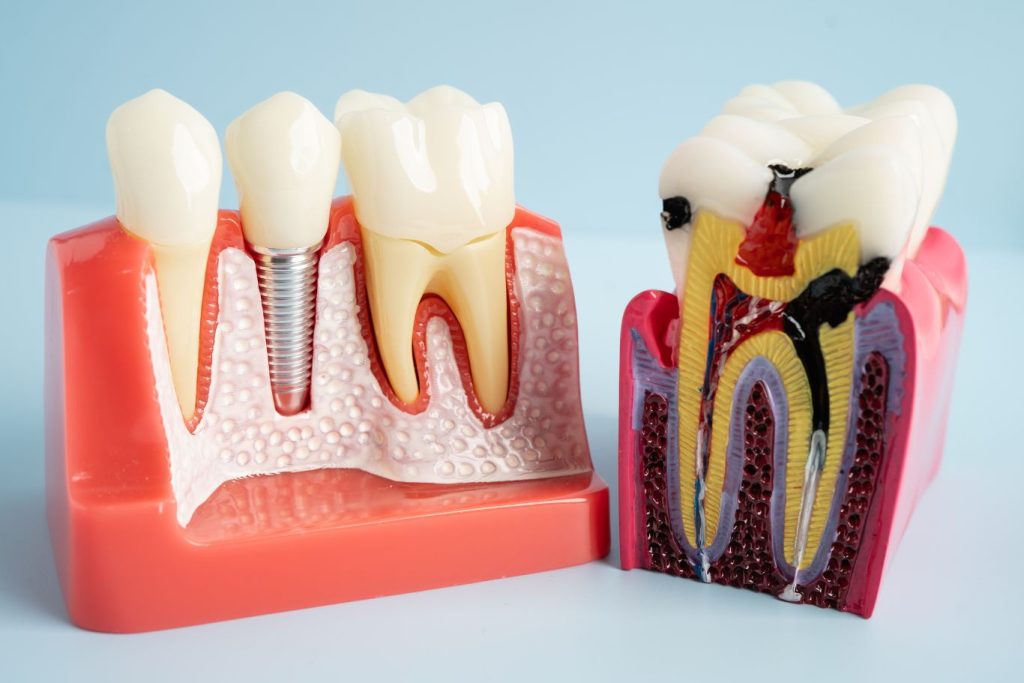
Dental implant vs root canal: Key differences explained
Here’s a clear, side-by-side look at implants and root canals to help you understand how each treatment option works. This comparison is based on trusted dental guidelines and widely accepted standards of care.
Cost
- Root canal: Typically less expensive than implants. Root canals focus on cleaning and restoring your natural teeth, which usually makes them more affordable than replacing the tooth entirely.
- Dental implant: Implants cost more upfront because treatment includes surgery, healing time, an abutment, and a final crown. While the initial cost is higher, implants are long-lasting and function like natural teeth.
Procedure
Root canal procedure:
- Numbing the tooth so you stay comfortable.
- Removing the infected or damaged pulp inside the tooth.
- Cleaning and shaping the root canals to remove bacteria.
- Filling the canals with a safe, biocompatible material to seal them.
- Closing the tooth with a filling and, in many cases, placing a crown to protect and strengthen it.
Dental implant procedure:
- Numbing the area and surgically placing a small titanium post into the jawbone (this acts like an artificial tooth root).
- Allowing time for healing and osseointegration, where the bone naturally fuses to the implant for a strong foundation.
- Attaching an abutment (connector piece) to the implant.
- Placing a custom-made crown on top so the implant looks, feels, and functions like a natural tooth.
Time
- Root canal: Usually completed in one to two appointments. Most people can return to their normal routine the same day, and the final crown (if needed) is usually placed soon after to fully restore the tooth.
- Dental implant: It can take 3–6 months or more because the implant needs time to heal and fuse with the bone before the final crown is placed. Although the process takes longer, the result is a strong, long-lasting replacement tooth.
Number of dental visits
- Root canal: Usually requires 1–2 visits, depending on how complex the case is and whether a crown is needed. Many patients like this option because it’s relatively quick and helps them keep their natural tooth.
- Dental implant: Involves multiple visits over several months. You’ll typically have appointments for the evaluation, implant surgery, check-ups during healing, and finally placement of the crown. While it’s a longer process, it provides a stable, long-term replacement for a missing tooth.
Pain after procedure
- Root canal: Pain usually improves quickly, and any lingering soreness often lasts only a few days. However, there are several reasons why your tooth hurts after a root canal, such as temporary inflammation around the tooth, a high bite, or irritation from the procedure itself. If pain lasts or worsens, it’s important to contact your dentist so they can check and adjust the tooth if needed.
- Dental implant: Mild post-surgical discomfort, swelling, or bruising is normal for several days after the implant is placed. This usually improves with time, and your dentist may recommend pain relievers, cold compresses, and soft foods while you heal.
Recovery time
- Root canal: Most patients resume normal activities the same day or the next day. You might feel some tenderness when chewing or mild sensitivity, but this usually improves with over-the-counter pain relievers and following your dentist’s instructions.
- Dental implant: Healing can take several months as the bone integrates with the implant (a process called osseointegration). During this time, you may wear a temporary tooth replacement and will be asked to stick to softer foods at first. Regular check-ups help your dentist make sure everything is healing properly before placing the final crown.
Care
Both treatments require good oral hygiene to heal properly and last as long as possible. How you care for your mouth after a root canal or an implant can make a difference in comfort, recovery, and long-term success.
Here are some key habits to follow:
- Brushing twice daily: Use a soft-bristled toothbrush and fluoride toothpaste. Gently brush around the treated area to keep it clean without irritating the tissue.
- Flossing once a day: Clean between your teeth to remove plaque and food particles your toothbrush can’t reach. Around implants, your dentist may recommend special floss, brushes, or interdental cleaners.
- Routine dental checkups: Regular visits allow your dentist to monitor the root canal tooth or implant, check your bite, and catch any issues early before they become bigger problems.
- Avoiding tobacco: Smoking or using other tobacco products can slow healing and increase the risk of complications.
Following these steps supports healthy gums, helps protect your investment in treatment, and keeps your smile looking and feeling its best.
Longevity
- Root canal: When properly restored with a good filling or crown, a tooth that has had a root canal can last many years.
- Implant: Dental implants are designed as a long-term solution and, with proper care, they can last for decades or even a lifetime.
Success rate
- Root canal: generally, have a high success rate, especially when the tooth is treated early and restored properly with a filling or crown. In many cases, these teeth stay comfortable and functional for years. Factors that help improve success include:
- Good oral hygiene.
- Protecting the tooth with a crown when recommended.
- Having treatment once a problem is diagnosed.
- Implant: Dental implants also have very high success rates, particularly in patients with good overall and oral health. They are designed to integrate with the jawbone and provide a strong foundation for a crown. Their long-term success is supported by healthy gums, regular dental visits, and healthy habits.
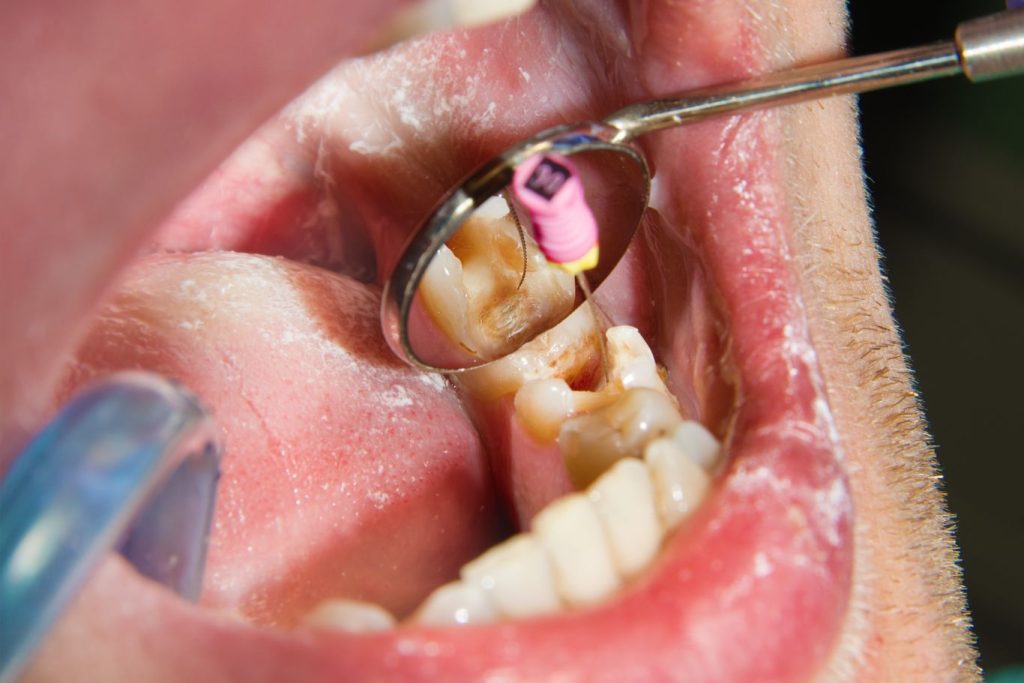
Tips for a successful root canal or dental implant treatment
These simple steps can greatly improve comfort, healing, and long-term success for both root canal and dental implant treatments:
- Follow all pre- and post-operative instructions: Your dentist will give you specific guidance tailored to your treatment. Following these steps closely helps reduce the risk of complications and speeds up healing.
- Avoid smoking or vaping: Tobacco use can slow healing and increase the chance of infection or implant failure. Avoiding smoking before and after your procedure gives your body the best chance to recover properly.
- Keep good oral hygiene: Brush and floss carefully around the treated area to keep it clean. Good hygiene helps prevent new infections, protects your gums, and supports long-term success.
- Take prescribed medications as directed: If antibiotics or pain relievers are prescribed, take them exactly as instructed. This helps manage discomfort and reduces the risk of infection.
- Eat soft foods after procedures: Stick to softer foods like soups, yogurt, eggs, or smoothies during the early healing period. Avoid biting directly on the treated tooth or implant site until your dentist says it’s safe.
- Attend recommended follow-up appointments: These visits allow your dentist to check your healing progress, make adjustments if needed, and ensure your tooth or implant is stabilizing properly.
- Let your dentist know if you experience unusual pain or swelling: Mild discomfort is normal, but severe or persistent pain, swelling, or bleeding should be reported right away. Early attention helps prevent bigger issues.
- Protect your teeth if you grind or clench: If you have a habit of grinding or clenching (bruxism), ask your dentist about a nightguard. It protects both root canal–treated teeth and implants from excess pressure.
- Keep up with regular cleanings and checkups: Continued professional care ensures your gums stay healthy and allows your dentist to monitor your treated tooth or implant over time.

Is a root canal or dental implant the right choice for you?
Choosing between a root canal vs implant comes down to your individual situation. Your dentist will look at things like:
- Whether the tooth can be saved
- Your overall oral health and jawbone condition
- Your medical history (for example, health conditions or medications that may affect healing)
- Cost and what your insurance covers
- Your long-term goals – do you prefer to keep your natural tooth if possible, or are you open to a replacement?
In general, if your natural tooth can be safely restored, dentists usually recommend saving it with a root canal. If the tooth is too damaged or cannot be fixed, a dental implant is often the best choice. It provides a strong and natural-looking replacement.
Ready to find out which treatment is right for you? Schedule a consultation at Morada Dental & Orthodontics today
Frequently asked questions
Can an implant replace a failed root canal?
Yes. If a tooth cannot be retreated or restored, extraction followed by a dental implant is a common and effective solution (ADA / NIH).
What is the main benefit of a root canal over an implant?
A root canal preserves your natural tooth structure, which the ADA identifies as the preferred outcome whenever possible.
When is a dental implant a better choice than a root canal?
When the tooth:
- Has severe structural damage
- Is fractured below the gumline
- Has extensive decay
- Cannot be successfully restored
Do lifestyle or health factors affect the choice between root canal and implant?
Yes. Conditions like uncontrolled diabetes, smoking, certain medications, or autoimmune disorders may influence healing. NIH and CDC note these factors may also increase implant failure risk. Your dentist will evaluate your health history before recommending treatment.
Conclusion
Choosing between a root canal vs implant doesn’t have to be confusing. A root canal saves a tooth that can be restored, while an implant replaces a tooth that cannot. Both are safe, effective treatments.
Your best next step is to schedule a professional evaluation. Every case is unique, and expert guidance ensures the best long-term outcome for your smile.
Disclaimer
This content is for informational purposes only and is not a substitute for professional medical advice. Always consult a licensed dentist for diagnosis and treatment recommendations.
Sources:
- American Dental Association (ADA): Root Canal Treatment (Patient Information)
- American Dental Association (ADA): Dental Implants (Patient Information)
- National Institute of Dental and Craniofacial Research (NIDCR): Gum Disease & Tooth Loss Information
- Centers for Disease Control and Prevention (CDC): Smoking & Oral Health (Impact on Healing and Implant Failure Risk)
- National Library of Medicine / PubMed: Root canal anatomy of the human permanent teeth