
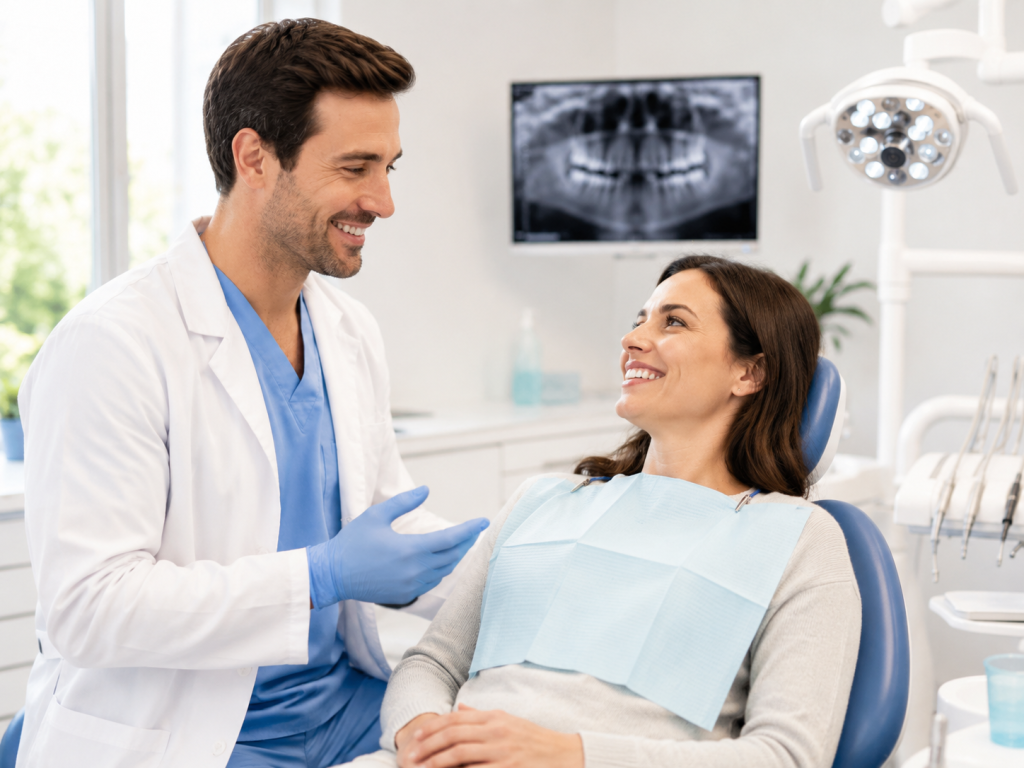
You can find affordable dental care in Stockton, CA without sacrificing quality, and this article shows practical options to make care fit your budget. You’ll learn where to find budget-friendly dentists, which preventive services save the most money, and straightforward payment or insurance choices that reduce out-of-pocket costs.
They explain common low-cost treatments, tips to prevent expensive procedures, and how to evaluate dental offices for comfort and value. Expect clear steps for scheduling a first visit, guidance for families, and answers to common concerns so you can take the next step with confidence.
Why Preventive Dental Care Matters
Preventive dental care helps people avoid painful problems, saves money over time, and supports whole-body health. Regular checkups, cleanings, and early treatment catch issues before they require extensive work.
Long-Term Savings Benefits
Regular exams and cleanings in Stockton typically cost far less than restorative treatments. A standard cleaning and exam every six months can range from $75–$200 with many community clinics offering sliding-scale fees, while a single root canal or crown can cost $1,000–$2,500 or more.
Early interventions such as fluoride varnish, sealants for children, and simple fillings prevent decay from progressing into the costly treatments listed above. Patients with dental insurance usually reach annual maximums more slowly when they focus on prevention, which improves value from benefits.
Budget-friendly strategies—like using a fluoridated toothpaste, buying floss or interdental brushes, and scheduling routine visits—reduce the probability of emergency visits and complex procedures. For people on limited incomes, preventive care lowers long-term out-of-pocket spending by minimizing the need for extractions, implants, or prosthetics.
Reducing the Need for Costly Procedures
Detecting cavities, gum disease, and oral infections early makes treatment simpler and less expensive. For example, a small cavity treated with a composite filling preserves more tooth structure and costs a fraction of an onlay or crown required after extensive decay.
Periodontal monitoring and early scaling can stop mild gum disease from advancing to periodontitis, which often requires multiple deep cleanings, antibiotics, or surgery. Timely removal of calculus and plaque also reduces the likelihood of tooth mobility or tooth loss, limiting expensive replacement options like bridges or implants.
Dentists often combine preventive steps—digital x-rays, oral cancer screening, and patient education—to tailor care plans that avoid escalation. These targeted measures translate into fewer appointments, lower cumulative costs, and less time off work for the patient.
Oral Health and Overall Wellness
Oral inflammation and infections can worsen systemic conditions such as diabetes and heart disease, so keeping gums healthy has measurable benefits beyond the mouth. Periodontal therapy helps control blood sugar in people with diabetes and may lower inflammatory markers linked to cardiovascular risk.
Good oral health also supports nutrition; people who avoid dental pain eat a wider variety of healthy foods, which aids overall well-being. Simple preventive steps—managing dry mouth, quitting tobacco, and treating chronic cavities—reduce infection risk and improve daily comfort.
Dentists in Stockton emphasize coordinated care, communicating with primary care providers when necessary to manage shared concerns. Encouraging routine dental visits becomes part of a patient’s broader health plan, improving outcomes across medical and dental care.
If questions arise about preventive options, scheduling a consultation with a local dentist can clarify costs, coverage, and the best plan for maintaining long-term oral health.
Common Affordable Treatments
These treatments focus on prevention, quick repairs, and pain relief that fit typical budgets. They address plaque control, minor decay, routine diagnostics, and uncomplicated tooth removal.
Routine Cleanings
Routine cleanings remove plaque and tartar to prevent cavities and gum disease. Hygienists use ultrasonic scalers and hand instruments to remove buildup above and below the gumline, then polish teeth to smooth surfaces and discourage new plaque formation.
Most offices offer cleanings every six months; patients with mild gum inflammation may need three- to four-month visits. Insured patients often see cleanings covered at 80–100% under preventive benefits, while clinics and community programs provide low-cost options for uninsured patients.
Cleanings also include brief oral hygiene coaching. Hygienists demonstrate brushing and flossing techniques and may recommend fluoride toothpaste or prescription rinses for at-risk individuals.
Dental Exams and X-Rays
Dental exams evaluate tooth and gum health and screen for early problems. A typical exam includes visual inspection, periodontal probing, and charting of existing restorations or decay.
Bitewing X-rays detect interproximal cavities and early bone loss; full-mouth or panoramic films assess roots and jaw structure when needed. Community clinics often use digital X-rays, which cut radiation and processing time, and some offer bundled exam + X-ray pricing to reduce out-of-pocket cost.
Exams guide treatment plans and preventive steps. Dentists also document issues for insurance preauthorization and prioritize care so patients address urgent needs first.
Simple Fillings
Simple fillings restore small-to-moderate cavities in one visit. Dentists remove decayed tissue, clean the cavity, and place composite (tooth-colored) or amalgam (silver) material, depending on budget and clinical need.
Composite fillings are common for visible teeth due to better aesthetics, though they may cost slightly more. Many clinics offer same-day composite fillings with local anesthesia; total chair time typically ranges from 20 to 60 minutes per tooth.
Clinics with sliding-scale fees or dental schools may provide lower-cost fillings. Dentists educate patients on preventing recurrence through fluoride use, diet changes, and consistent home care.
Basic Extractions
Basic extractions remove teeth that are severely decayed, fractured, or causing infection but are free of complicated root anatomy. Dentists use local anesthesia and forceps to gently mobilize and remove the tooth.
Aftercare instructions cover bleeding control, pain management with OTC analgesics, and soft-food recommendations for 24–48 hours. Simple extractions usually take 20–40 minutes; clinics often include follow-up care in the initial fee.
When extractions are needed for financial or health reasons, dentists discuss cost-effective replacement options later — such as removable partial dentures — and refer to low-cost prosthetic providers when appropriate.
Finding Budget-Friendly Dentists in Stockton
This section explains how to compare local dentists, find community clinics that offer low-cost care, and access nonprofit or sliding-scale services. It highlights practical steps, what to ask, and resources for affordable dental treatment in Stockton.
Comparing Local Providers
Patients should start by listing dentists within Stockton zip codes 95202–95212 and checking each office’s accepted insurance and payment options. Call offices to confirm whether they accept Medi-Cal, Delta Dental, or offer in-house financing; ask about typical fees for exams, cleanings, and common procedures like fillings and extractions.
Look for openly posted price lists or ask for a written estimate before treatment. Read recent patient reviews on Google and Yelp, focusing on comments about transparency, wait times, and comfort measures. Note clinicians who advertise new patient specials, teledentistry consultations, or bundled preventive-care packages.
Consider location and office hours; those near Stockton Transit hubs or with evening hours can reduce indirect costs like missed work. If multiple providers look similar, prioritize one that offers a free or low-cost new-patient visit to evaluate fit without a large upfront expense.
Community Dental Clinics
Stockton has community clinics that provide low-cost basic dental services to adults and children with limited income. clinics such as Stockton Unified School District’s mobile programs and local community health centers often offer exams, cleanings, fluoride treatments, and urgent extractions at reduced rates.
These clinics may require proof of income, residency, or program eligibility like Medi-Cal enrollment. Appointments can fill quickly; call early, ask about waitlists, and verify whether walk-in emergency slots exist for same-day pain relief.
Community clinics sometimes partner with dental schools or volunteer networks to offer more complex services at lower cost. Patients should confirm scope of services, treatment timelines, and any required prescriptions or follow-up visits before committing to care.
Nonprofit and Sliding Scale Services
Nonprofit organizations and clinics in Stockton often use sliding-scale fees tied to household income. Patients should gather pay stubs or benefit letters to determine their bracket and ask for a printed fee schedule showing discounted rates for common procedures.
Search for nonprofits like community health centers or dental-access programs that host periodic free clinics or reduced-cost care days. These events usually require preregistration and may limit treatment to basic procedures, so ask whether follow-up work or lab fees will incur extra charges.
Some nonprofits also help enroll patients in Medi-Cal or low-cost dental plans and can assist with transportation or appointment reminders. Contact program coordinators to learn about documentation requirements, scheduling windows, and available financial counseling to plan care affordably.
Insurance and Payment Options
Most patients benefit from a combination of dental insurance, flexible financing, and office membership plans to keep care affordable. This section explains how insurance works, what financing choices exist, and how membership programs can lower out-of-pocket costs.
Understanding Dental Insurance
Dental insurance in Stockton typically covers preventive care like cleanings and exams at 80–100% and pays partial benefits for fillings, crowns, and root canals. Patients should check annual maximums (often $1,000–$2,000), deductibles, and waiting periods for major services to avoid surprise bills.
In-network vs. out-of-network matters. In-network providers accept negotiated fees that usually reduce patient cost-sharing; out-of-network claims often pay a smaller portion or require balance billing. Verify benefits before treatment — call the insurer and request a pre-treatment estimate for crowns, implants, or orthodontics.
Medicaid (Medi-Cal) and employer plans differ. Medi-Cal covers basic services for eligible adults and children, but not all dentists accept it. Employer group plans vary widely; patients should obtain a benefits summary and ask the dental office to file claims on their behalf.
Financing Plans
Many Stockton dental offices partner with third-party lenders like CareCredit or offer in-house financing to spread costs over several months. CareCredit typically provides interest-free periods (6–12 months) for smaller balances and longer low-interest options for extensive procedures.
Patients should compare APR, payment term length, and qualification criteria. For example, a $2,400 restorative case might be split into 12 monthly payments with 0% interest or 24 months at a modest APR; the choice affects total cost. Ask about automatic payments and penalties for missed payments.
Some offices offer sliding-scale fees or discounts for cash payments. Seniors, students, and low-income families may qualify for special rates or charitable funds through local clinics. Always request a written payment plan that lists total cost, monthly payment, and any applicable fees.
Membership Savings Programs
Dental membership plans act like in-office insurance for uninsured patients, typically charging an annual fee that covers preventive visits and discounts on restorative work. A common structure: $199/year for two cleanings and exams, plus 20–40% off fillings, crowns, and implants.
Memberships remove claim submission and waiting periods, which speeds access to care. They often include waived X-ray fees, emergency exams, and priority scheduling. Compare inclusions carefully — some plans exclude specialist services like oral surgery or endodontics.
Evaluate the math: if two cleanings cost $160 each outside the plan, a $199 membership pays for itself quickly while adding predictable discounts on larger treatments. Ask about family plans, prorated enrollment if starting mid-year, and refund policies if treatment needs change.
Tips to Minimize Dental Expenses
Practical habits and early care choices help reduce visits and costly treatments. Small daily decisions and prompt action on minor issues often prevent larger, pricier problems later.
Smart At-Home Habits
They should brush twice daily with a fluoride toothpaste for two minutes each time. Brushing removes plaque that leads to cavities and gum disease; using a soft-bristled brush prevents enamel wear and receding gums.
Flossing once a day removes interdental debris where brushes miss. If regular flossing feels difficult, interdental brushes or a water flosser provide effective alternatives and can reduce the need for fillings.
Limit sugary drinks and sticky snacks to lower acid attacks on enamel. Drinking tap water with fluoride after sugary foods helps rinse acids and reintroduce fluoride for remineralization.
Use an ADA‑approved mouthwash when recommended by a dentist for additional cavity or gum protection. Replace toothbrushes every three months or after illness to maintain cleaning effectiveness.
Early Detection and Intervention
They should schedule a dental exam and cleaning every six months or follow the interval recommended by the dentist. Regular exams catch issues like small cavities and gum inflammation before they require root canals or extractions.
Address tooth sensitivity, a dark spot, or bleeding gums promptly rather than waiting. Early fillings and periodontal therapy typically cost far less than crowns, root canals, or implant work needed after progression.
Ask the dentist for a treatment timeline and cost estimate when problems appear. Prioritize treatments by urgency and discuss phased care or lower-cost restorative options to spread expense without sacrificing oral health.
Request preventive treatments covered by insurance or clinic programs—fluoride varnish, sealants for children, or scaling for early gum disease. These services often have low out-of-pocket costs and reduce the chance of expensive procedures later.
Navigating Treatment for Families
This section explains practical options for children and older adults, including typical costs, insurance tips, and comfort-focused care that families can access in Stockton.
Affordable Pediatric Care
Families in Stockton can find pediatric checkups often priced between $50–$120 without insurance; routine cleanings and fluoride treatments are commonly bundled to reduce repeat visits. Many clinics accept Medi-Cal and Denti-Cal; parents should verify coverage for sealants and extractions before scheduling.
Ask about sliding-scale fees tied to household income and pediatric-specific payment plans that spread preventive care costs over time. Clinics that offer morning or after-school appointments make attendance easier for working parents.
Look for practices with child-friendly sedation options—nitrous oxide is common for anxious children—and staff trained in behavior guidance. Early preventive care, sealant placement on molars around ages 6–12, and timely cavity treatment typically prevent costlier procedures later.
Senior Dental Solutions
Older adults often need restorations, denture services, and management of dry mouth linked to medications; typical denture pricing in Stockton ranges from $600 for partials to $1,800 for full sets, varying by materials. Medicare generally doesn’t cover routine dental care, so seniors should explore Medicare Advantage plans with dental riders or local clinics that accept Denti-Cal.
Emphasize practices that coordinate with medical providers for patients on anticoagulants or with diabetes; this lowers procedural risk. Look for clinics offering longer appointments, chairside assistance, and on-site labs to speed denture adjustments and reduce repeated visits.
For affordability, compare quotes for crowns, implants, and denture relines, and ask about bundled fees and warranties. Routine checkups every 6–12 months help catch issues early and limit the need for complex, expensive treatment.
What to Expect at Your First Visit
Patients can expect a friendly check-in when they arrive, where staff collect basic info and insurance or payment details. Paperwork is usually brief; many clinics offer digital forms to speed things up.
A licensed dental professional conducts a health and dental history review next. They ask about medications, past treatments, and any current concerns to tailor the visit.
The clinical exam typically includes an oral inspection and a screening for cavities, gum health, and oral cancer. X-rays may be taken if needed; staff will explain why and how they use them to limit exposure.
A professional cleaning often follows the exam, removing plaque and tartar and polishing teeth. Hygienists give practical tips on brushing and flossing and may demonstrate techniques suited to each patient’s needs.
The dentist reviews findings and discusses treatment options in clear, nontechnical language. Costs, timelines, and priority levels are explained so patients can make informed choices.
If restorative or specialty care is needed, the office outlines next steps and scheduling. Affordable payment options, sliding scales, or financing may be offered and described transparently.
Patients receive individualized preventive advice and a follow-up plan before leaving. They are encouraged to ask questions and schedule any recommended treatments or hygiene visits.
How to Choose the Right Dental Office
Choosing a dental office starts with comfort and trust. They should make patients feel welcome from the first call and explain costs clearly.
Look for credentials and experience. Check dentist licenses, staff qualifications, and years serving Stockton; reputable offices list this information on their website or lobby.
Consider affordability and payment options. Compare prices for common services, ask about sliding scale fees, insurance acceptance, and in-house payment plans to avoid surprises.
Evaluate technology and treatment options. Modern offices offer digital X-rays, same-day crowns, and clear aligner options; these improve accuracy and comfort during care.
Read patient reviews and ask for referrals. Online reviews reveal patterns in punctuality, pain management, and bedside manner. Neighbors, coworkers, or a primary care provider can recommend trusted practices.
Assess accessibility and hours. Proximity, parking, public transit access, and evening or weekend hours matter for busy schedules and emergencies.
Visit for a consultation if possible. A short meet-and-greet lets patients gauge the staff’s communication style and the clinic’s cleanliness. They should feel heard and have treatment explained in plain language.
Prioritize preventive care and clear follow-up. Good offices emphasize regular checkups, personalized home-care advice, and transparent follow-up plans. Encourage contacting the office to ask questions or schedule an appointment.
Gentle Encouragement for Your Next Steps
They understand that taking the next step toward dental care can feel intimidating, especially when cost is a concern. A friendly call or visit often clears up confusion and reveals options that fit a budget.
Patients should consider calling local clinics to ask about sliding-scale fees, payment plans, or community programs. Many practices in Stockton offer weekday evening hours and flexible financing to reduce stress.
It helps to prepare a short list of priorities before the appointment: pain relief, a cleaning, or restoring a tooth. That list lets the dentist propose a focused, affordable treatment plan rather than a long, costly one.
They recommend asking about preventive measures during the visit—simple actions that lower long-term costs. Examples include fluoride treatments, sealants for children, and personalized home-care tips.
To make scheduling easier, bring insurance information and any questions about cost. If uninsured, ask about nonprofit clinics or dental schools that provide reduced-fee care.
Boldly reach out for a consultation; dentists are used to helping people find practical, gentle solutions. A brief conversation can turn uncertainty into a clear, manageable plan.
Frequently Asked Questions
This section answers practical questions about finding affordable exams, cleanings, emergency care, Medi‑Cal acceptance, payment plans, and what to expect at low‑cost visits in Stockton, CA. Each answer points to concrete steps, local options, and ways to prepare for care.
How can I find a dentist in Stockton who offers low-cost exams and cleanings?
Search Delta Dental, Denti-Cal provider lists, and the California Dental Association’s Find-a-Dentist for Stockton clinics that advertise sliding-scale or reduced-rate preventive visits.
Call clinics directly to ask about special exam/cleaning days, community clinic price lists, and whether they provide bundled preventive packages.
Check community health centers such as San Joaquin County clinics and federally qualified health centers (FQHCs) that often set fees by household income.
Look for local dental schools or residency programs; they may offer lower-cost care under licensed supervision.
What are my options if I need dental care but don’t have insurance?
Use Medi‑Cal (Denti‑Cal) if eligible; it covers many basic services for adults and more for children.
Visit FQHCs, community clinics, and nonprofit dental events that provide free or reduced-cost exams, cleanings, and extractions.
Consider dental discount plans and in-office membership plans some practices offer for uninsured patients.
Ask clinics about sliding-scale fees and charity care programs before scheduling treatment.
Which dental offices in Stockton accept Medi-Cal for adults?
San Joaquin County Public Health Dental Program and several community clinics in Stockton accept Denti‑Cal for adults for limited services.
Call local FQHCs such as CommUnify Health or San Joaquin County clinic locations to confirm current Medi‑Cal participation and covered services.
Private practices vary in acceptance; verify with each office because provider participation can change.
Request a written list of covered procedures and any co‑payments so there are no surprises.
Where can I go in Stockton for low-cost emergency dental care if I’m in pain?
Contact San Joaquin County emergency dental services and local FQHCs first; they often reserve slots for urgent toothaches, infections, and trauma.
Many community clinics offer same‑day or next‑day triage for severe pain and can provide temporary relief such as extractions or antibiotics.
If pain includes swelling, fever, or spreading infection, seek care at an emergency department if clinics are closed.
Call ahead to confirm walk‑in hours and what documentation or ID may be required.
Are there dental clinics in Stockton that offer payment plans or financing for bigger treatments?
Yes. Many private practices in Stockton offer in‑office payment plans, deferred payments, or third‑party financing like CareCredit for crowns, root canals, and implants.
Ask for written treatment estimates and available payment options before starting care.
Nonprofit clinics sometimes coordinate reduced fees plus extended payment arrangements based on income.
Compare interest rates and fees for external financing and choose the plan that keeps monthly payments affordable.
What should I expect at a low-cost dental clinic visit, and how can I prepare to feel comfortable?
Expect a brief intake, medical/dental history review, an exam, and basic X-rays if needed; clinics prioritize treating pain and preventing further problems.
Bring ID, proof of income or Medi‑Cal card if applicable, a list of medications, and any recent dental records to speed registration.
Communicate concerns and cost limits to the dental team up front so they can recommend prioritized treatments.
Ask about anesthesia options, anticipated recovery, and follow‑up steps; clear information reduces anxiety and improves outcomes.