Comprehensive. Compassionate. Caring.
5-Star Rated Dentist
The Journey to a Perfect Smile
Experience
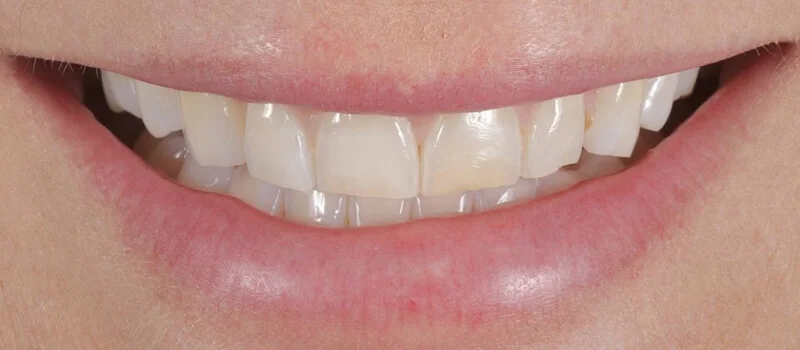
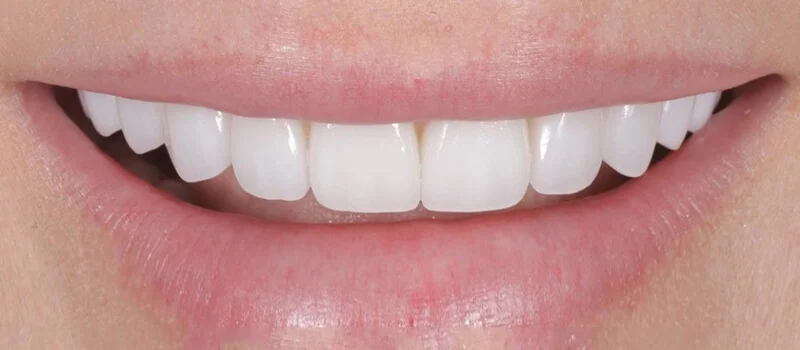
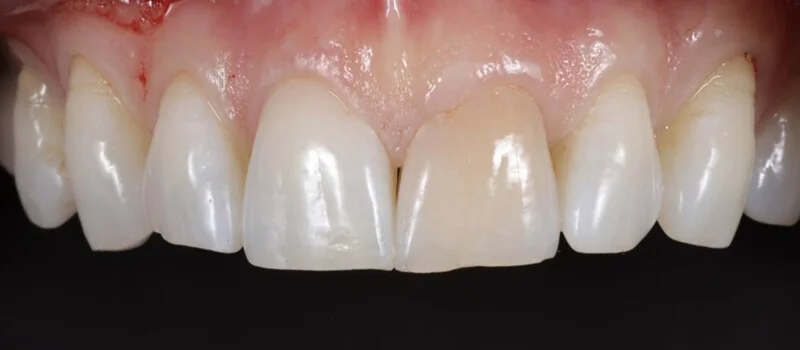
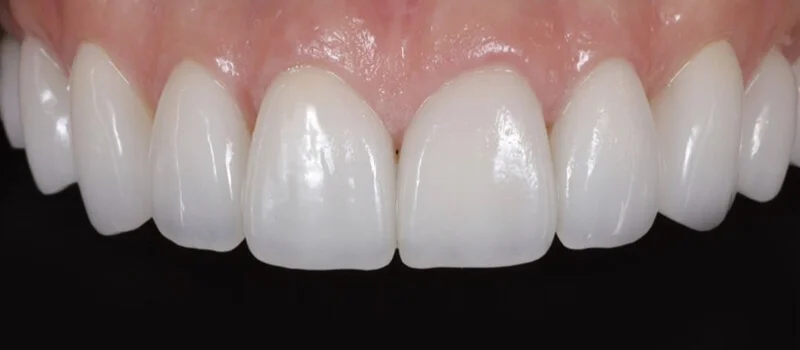
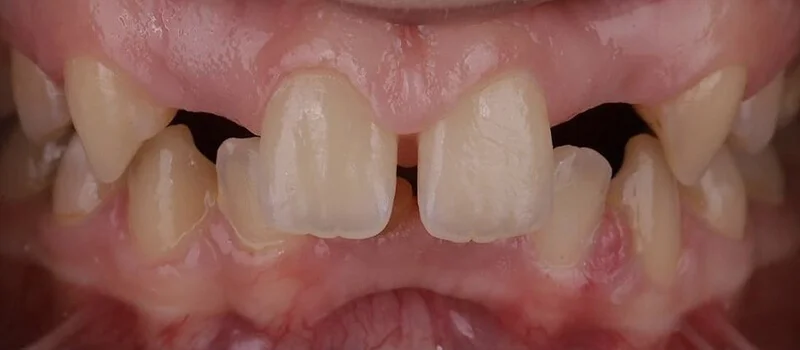
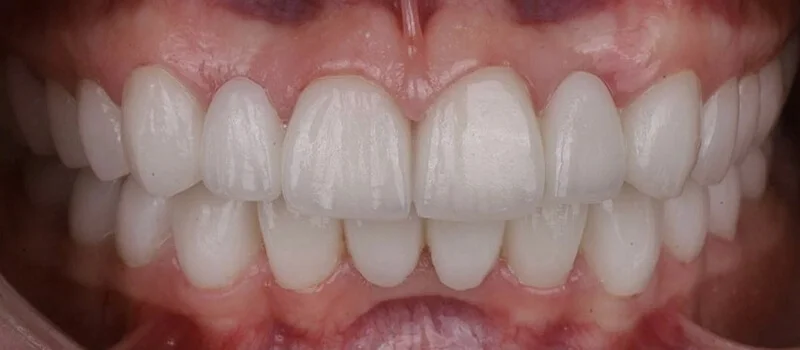
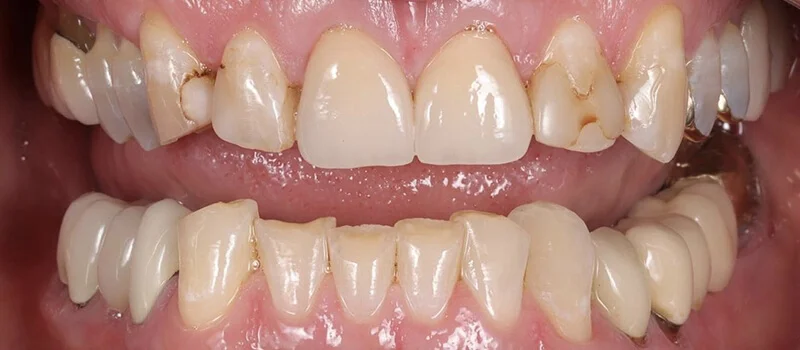
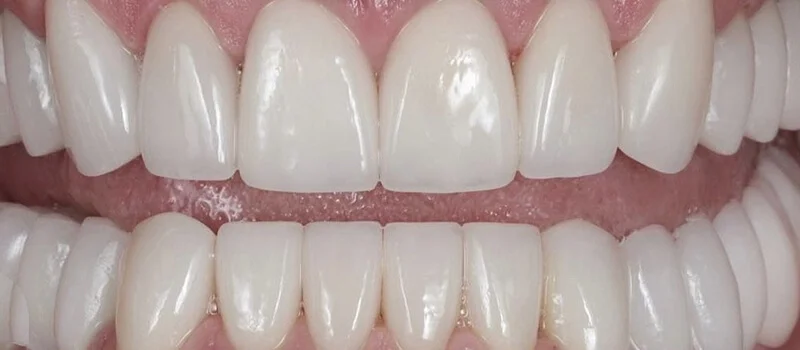
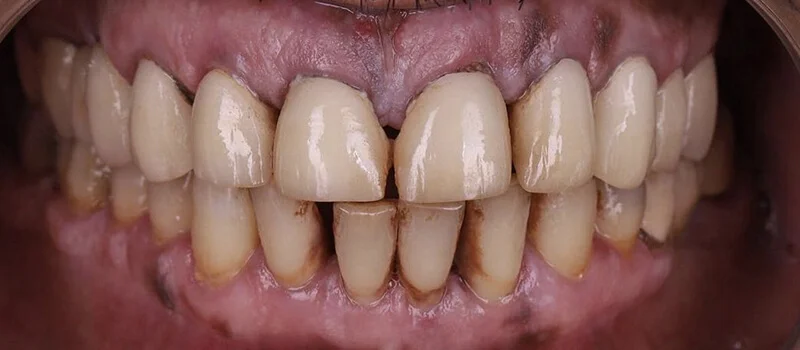
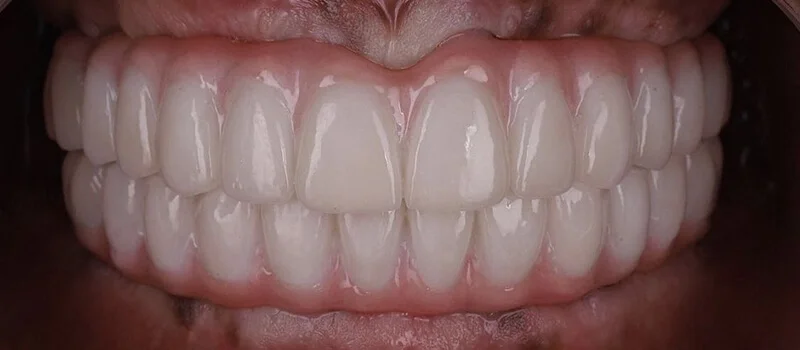
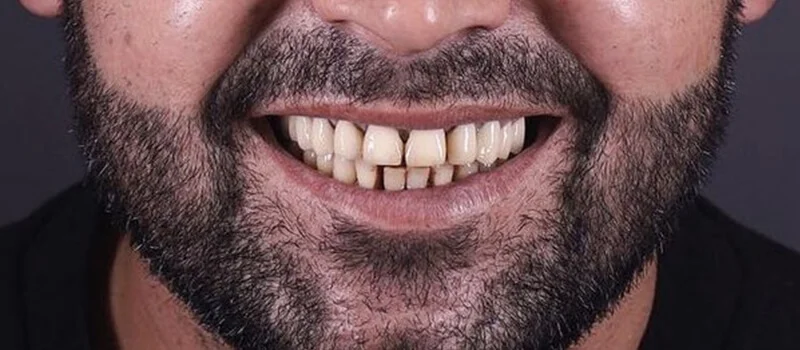
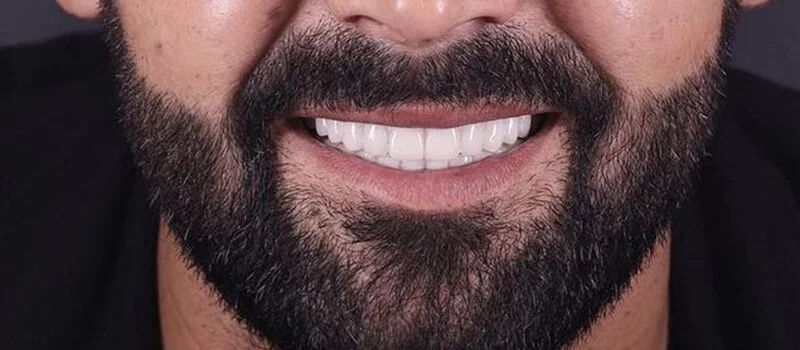
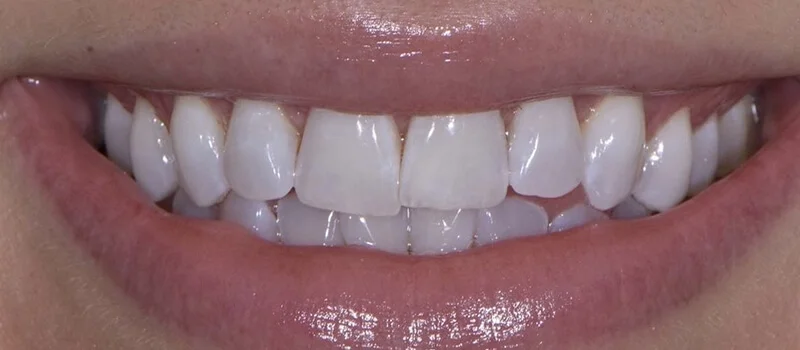
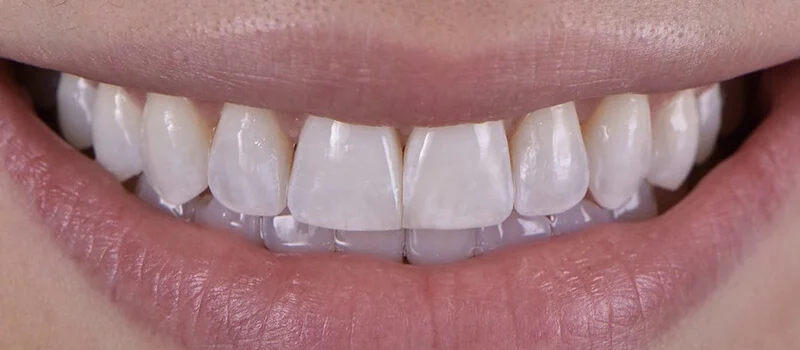
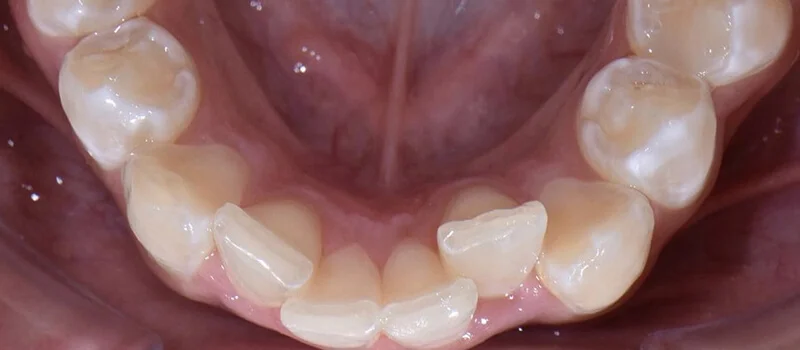
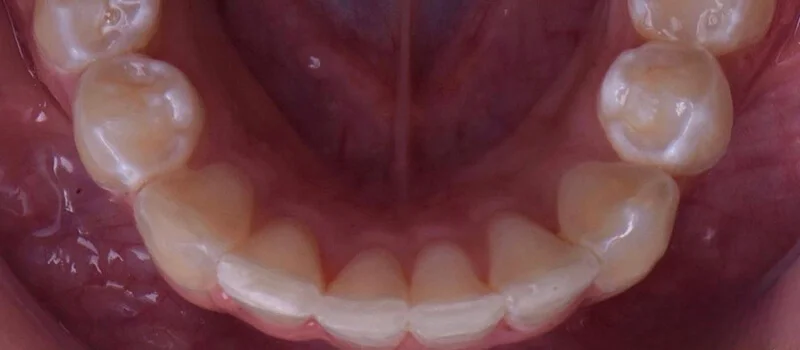
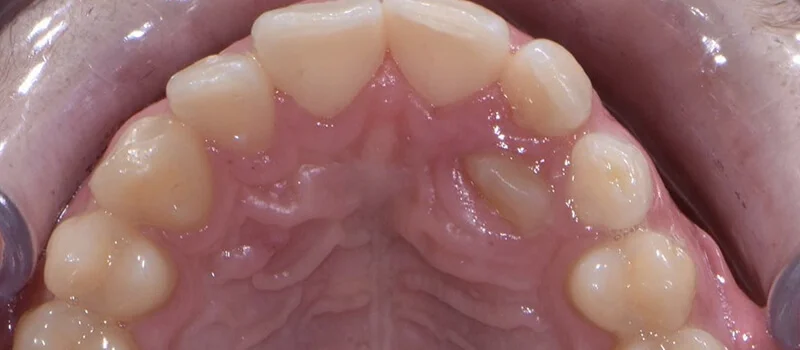
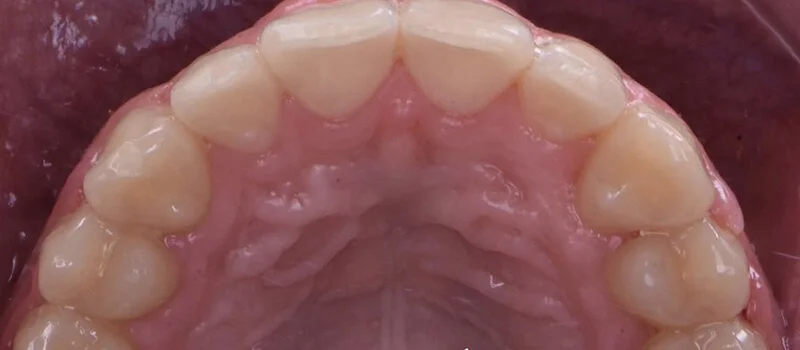
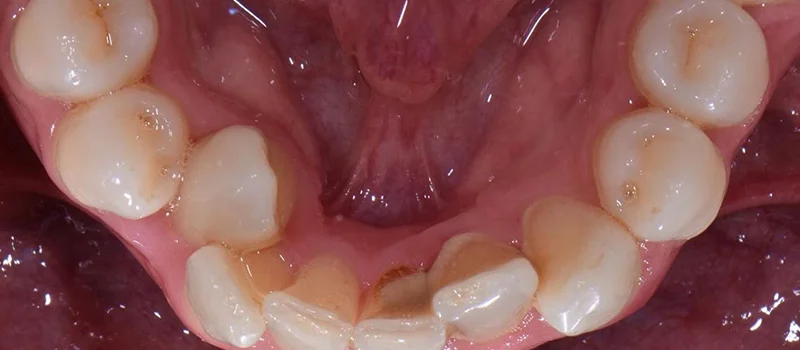
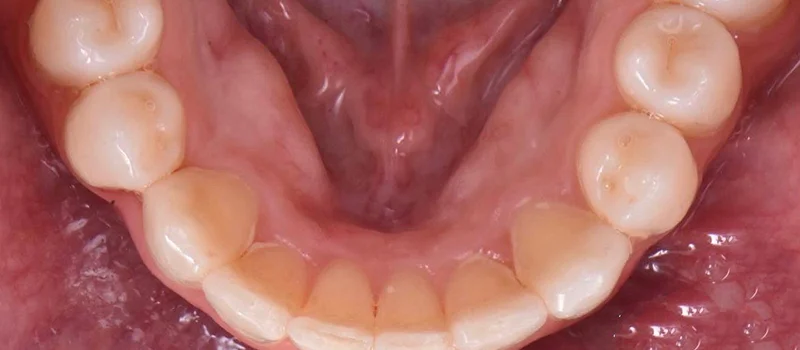
Explore Your Full-Mouth Teeth Replacement Options At Our Office
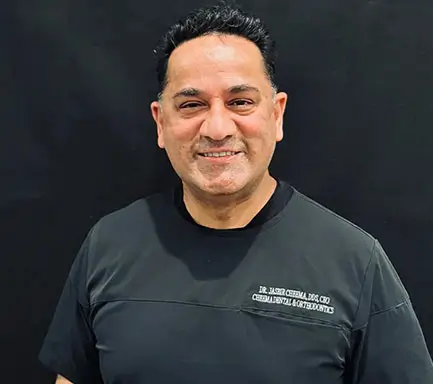
Dentist in Stockton, CA
Dr. Jasbir Cheema, an expert in implants, is an accomplished professional with over three decades of experience in dentistry. He is passionate about dentistry and helping patients achieve their dental health goals especially with implants, oral surgery, dentures and implant supported dentures. His dedication towards the practice has helped propel Morada Dental and Orthodontics to new heights. He firmly believes that ‘learning never stops’ and constantly takes efforts to stay updated on the latest tech developments in dentistry and find newer therapy and treatment options to help his patients. His commitment to his work has earned him a reputation for being one of the best in his profession.
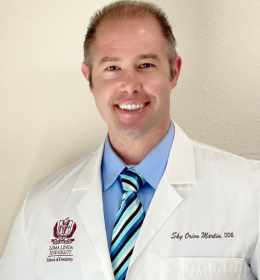
Dentist in Stockton, CA
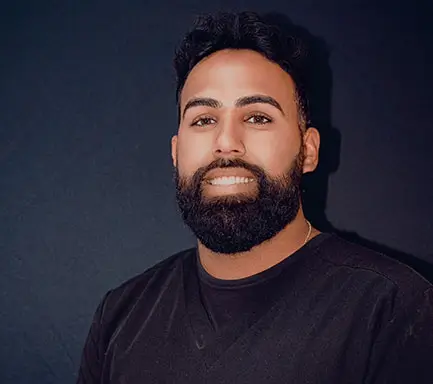
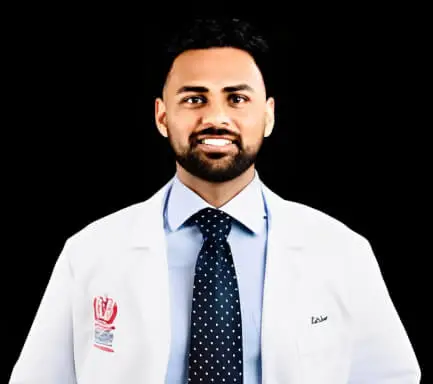
Get to know Dentist Dr. Sky O. Martin, DDS. Changing lives one smile at a time, Dr. Martin is a member of the Cheema Dental team. With a broad educational background, Dr. Martin obtained his Bachelor of Science degree in neurobiology, physiology and behavioral science (NPB) from UC Davis as well as his Associate degrees in engineering, math and education. He also holds a computer aided drafting (CAD) certificate from San Joaquin Delta College (SJDC). He tutored every math and science subject at SJDC and coached many students, winning awards for excellence in tutoring. In 2016, Dr. Martin graduated with his Doctor of Dental Surgery degree from the Loma Linda University School of Dentistry, with a teaching assistantship in anesthesiology. Trained in single-piece screw implants, he is currently training in multimodal systems, including various types of implants for restoration of numerous and varied clinical cases.


Dentist in Stockton, CA
Coming Soon…
Personalized care for your unique smile.

We make every effort to utilize advanced technology, such as iTero, CBCT, panorama, and digital x-rays.

Our Stockton dental clinic offers appointments on Saturdays and select weekday evenings.

During years of service in the dental field, our providers have treated over 10,000 Invisalign patients.

For the convenience of our patients, our staff can serve you in either English, Spanish, or Punjabi.
About Us
Are you looking for the best dentist near you? Visit us at Morada Dental & Orthodontics in Stockton, CA. Dr. Cheema and his team were recently named the #1 ClearCorrect provider in North America, with 10,000+ patients treated.
He and his team at the dental office in Stockton, CA, are also proud to offer a comprehensive range of other dental services, including all-on-4 dental implants, root canal therapy, periodontics, oral surgery, and much more.
Ready to schedule an appointment with our dentist in Stockton? Use our online booking tool to set up your visit, and we will take care of the rest. In the meantime, if you have any questions at all, please don’t hesitate to give us a call!
Do you have missing, decayed, or gapped teeth? Our friendly team at Morada Dental and Orthodontics is here to help! We understand that a basic need in our patients is to feel confident about their smiles.

At Morada Dental & Orthodontics, we believe that your smile is an investment in your personal and professional well-being. That’s why we offer cosmetic dentistry in Stockton, CA.

When patients experience tooth pain that is intense and unrelenting, it can be a debilitating condition. This can also indicate the need for endodontics in Stockton, CA, as a treatment solution.
Dental Implants, full-mouth restorations, and wisdom teeth care in Morada Dental.
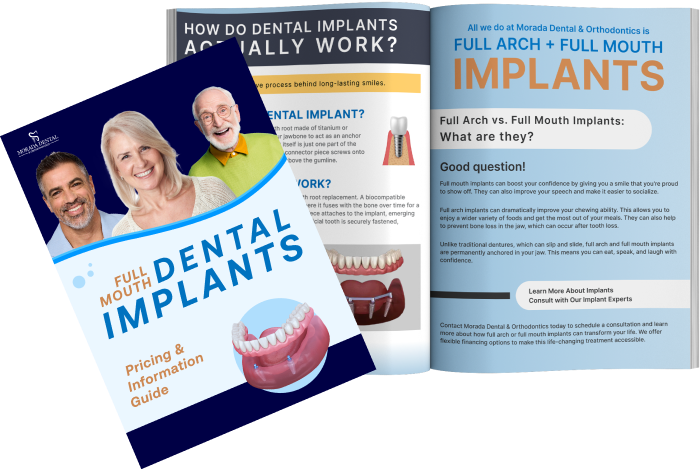
Fill out the form below and we will email/text you the guide along with a $350 savings offer.
We understand that maintaining beautiful, healthy smiles requires much commitment from the patient. But we know you cannot win the war of keeping bacterial plaque away alone.
That is why we request you come to our Stockton dental clinic for routine dental checkups and cleanings.
During the exams, we inspect the structures of your mouth, including the teeth, gums, jawbone, and other tissues. Our dentist in Stockton recommends the most suitable procedure based on the findings we get from the exams.
If you are looking for a dental clinic near you with state-of-the-art equipment, highly trained and experienced dental professionals, and great customer care service, Morada Dental & Orthodontics is your choice.
From preventive dentistry to cosmetic dentistry to restorative dentistry, we ensure that we offer solutions to all your dental needs.

Facing issues with a failing or missing tooth? Don’t delay; it can lead to bone loss and other complications. At Morada Dental Oral Surgery, our maxillofacial specialist, Dr. Jasbir S. Cheema, offers swift solutions including ‘teeth in a day’ in Morada Dental. Trust in our oral surgeon to restore your natural smile with expertise and the latest technology.
Book Your AppointmentUnlock Your Best Smile with Exclusive Offers and Savings!
Book your complimentary consultation and discover how All-on-4 can restore your smile in a single day.
Claim OfferStart your journey to a straighter smile with a free Clear Aligner Therapy consultation — no obligation.
Claim OfferGet a straighter, more confident smile with ClearCorrect clear aligners at our exclusive promotional price.
Claim OfferStarting at $14,999 (reg. $29,999). Includes 4 implants, abutment & fixed teeth. Certain restrictions apply; call for details.
Claim OfferTransform your smile and enjoy a confident, radiant future. Save $1,000 on Braces with this exclusive offer.
Claim OfferExam, X-Rays & Consultation. Must mention this ad for discount. For patients without insurance.
Claim OfferCall us now!
World-Class Doctors.
Dr. Jasbir S. Cheema and his team work very efficiently. They exceeded my expectations. This was my first ever implant and it was well worth the extra drive time for me.
Book Your Appointment
Smiles Speak Volumes.

The front desk girls were so nice and kind! I was greeted by Joana she was very warm and welcoming. I came in as a new patient to try and start a plan after this visit I will definitely coming back
Ms. Bianca was by far the most professional, respectful, courteous, and hardworking employee I encountered. Her attitude was over the top positive. Thank you so much for the blessed experience.
My experience with the staff and treatment from start to beginning was amazing. I truly recommend seeing Doctor Patel he’s such an incredible doctor that gets the treatment job done and great with giving you the right care. Fast and comfortable I am happy and feeling great and healthy.
This place was kind enough to fit me in last for an emergency tooth. From start to finish, everyone was really kind and patient. Shoutout out to Doctor G who handled me with such care, shoutout to Jenn who helped explained the financials and shoutout to all the sweet kinda and pretty staff. 10/10 experience :)! Thank you Christina for helping us get an appointment that same day!