
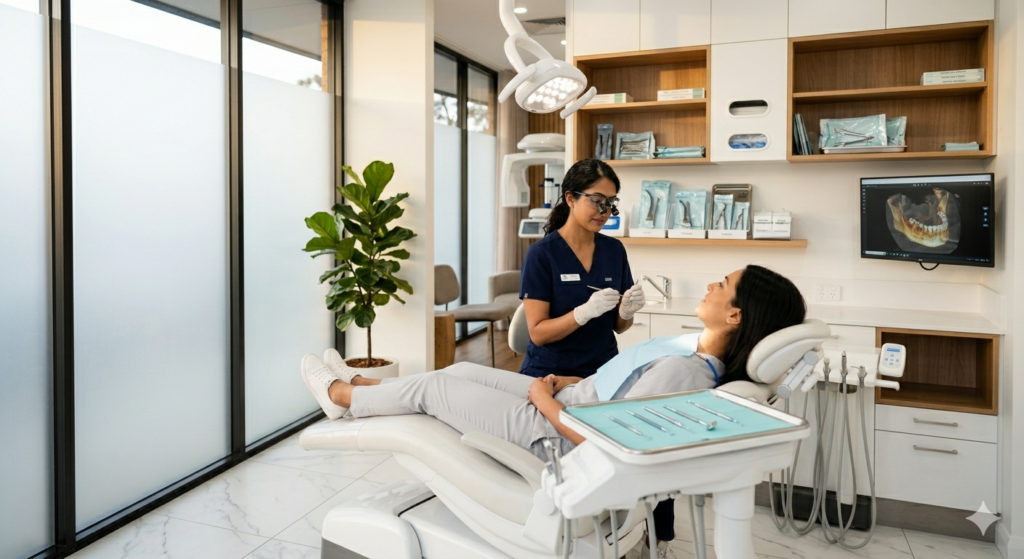
Dental emergencies can happen at any time, and knowing where to turn in Stockton, CA is essential. Emergency dental services in Stockton offer quick, effective care for issues like severe tooth pain, knocked-out teeth, and sudden infections. This immediate support helps prevent complications and eases discomfort when urgent attention is needed.
These services focus on patient comfort and use modern techniques to address problems promptly. Whether it’s after-hours care or same-day appointments, skilled dentists in Stockton aim to calm worries and restore oral health efficiently.
If a dental emergency arises, it’s important to seek care right away rather than waiting. Stockton’s emergency dentists are ready to listen, provide professional treatment, and guide patients through recovery with kindness and expertise.
What Qualifies as a Dental Emergency?
Knowing when to seek emergency dental care is important to prevent lasting damage and ease pain quickly. Not every dental problem requires immediate attention, but certain signs always call for prompt action. Understanding the types of emergencies, how to spot urgent issues, and what to do before arriving at the dentist can make a big difference.
Common Types of Dental Emergencies
Dental emergencies often involve severe pain, injury, or noticeable damage. The most frequent issues include:
- Toothache: Sudden, intense pain usually signals infection or decay needing quick treatment.
- Knocked-out tooth: Immediate care within an hour can sometimes save the tooth.
- Chipped or broken tooth: This can expose nerves and cause pain or sensitivity.
- Lost filling or crown: Leaving the tooth unprotected can lead to further damage.
- Abscess or swelling: Indicates infection that may spread if untreated.
- Broken braces or wires: These can irritate gums or cheeks and need timely repair.
Each of these requires prompt dental care to avoid complications.
Recognizing Urgent vs. Non-Urgent Issues
Not every dental discomfort is an emergency. Urgent situations typically involve:
- Severe pain that won’t ease with over-the-counter medicine
- Visible injury or bleeding that doesn’t stop
- Teeth that are out of place, loose, or missing
- Signs of infection, such as swelling or fever
Non-urgent issues may include minor sensitivity, mild chips without pain, or loose dental work without discomfort.
If in doubt, it’s better to contact a dental professional to clarify whether immediate care is needed.
Steps to Take at Home Before Visiting
Before heading to the emergency dentist, some simple actions can help ease pain or protect damaged teeth:
- Rinse your mouth gently with warm water.
- Use a cold compress on swollen cheeks to reduce swelling.
- Save any broken tooth pieces, keeping them moist in milk or saliva.
- Avoid chewing on the injured side.
- Over-the-counter pain relievers can help but avoid aspirin, which may increase bleeding.
These measures are temporary and don’t replace a professional exam but can improve comfort and preserve teeth until treatment.
Emergency Dental Services Available in Stockton, CA
Stockton offers a range of emergency dental treatments designed to quickly address intense pain, broken teeth, and other urgent issues. Patients can expect prompt care focused on relief and effective restoration. These services balance immediate intervention with longer-term dental health.
Immediate Pain Relief Options
When dental pain strikes suddenly, Stockton clinics prioritize rapid pain control to ease discomfort. This often begins with a thorough examination to identify the source of pain, whether it’s an infected tooth, abscess, or injury.
Common treatments include prescription pain medications, anti-inflammatory drugs, or local anesthesia to numb the area. Dentists may also perform procedures like draining an abscess or smoothing a jagged edge causing irritation. Cold compresses and tips for managing pain at home are typically provided to help until follow-up treatment.
The goal is to stabilize the patient’s condition so they can feel more comfortable immediately while planning necessary repairs.
Tooth Repair and Restoration
Emergency tooth repair in Stockton typically addresses cracks, chips, or fractures that compromise a tooth’s function or appearance. Dentists use materials like composite resin or dental bonding to rebuild damaged areas quickly.
For more extensive damage, crowns or temporary caps may be placed to protect the tooth until a permanent solution can be made. This prevents further harm from chewing or exposure to bacteria.
Restorative services focus on maintaining the tooth’s structure and avoiding extraction whenever possible. Timely repair helps patients retain natural teeth and prevent more complex problems later.
Treatment for Knocked-Out or Broken Teeth
Accidents that result in knocked-out or severely broken teeth require immediate attention in Stockton emergency dental care. Time is critical, especially for knocked-out teeth, which may be saved if re-implanted within an hour.
Clinics instruct patients on steps to preserve the tooth, such as placing it in milk or saline. Upon arrival, dentists carefully clean and reposition the tooth, securing it with a splint.
For broken teeth, treatment depends on the damage extent. Minor breaks may be smoothed or bonded, while larger fragments could require crowns or root canals. This approach aims to restore function and appearance with minimal trauma.
Patients experiencing these injuries should seek immediate consultation to improve their chances of successful recovery.
How to Find an Emergency Dentist in Stockton, CA
Locating the right emergency dentist quickly can make a big difference during a dental crisis. Key elements include identifying a practice with immediate availability, knowing emergency contact options, and understanding what happens during the urgent visit.
Choosing the Right Dental Practice
A good emergency dental clinic in Stockton should offer flexible scheduling and clear communication. Look for offices that specifically mention emergency services on their website or in their phone greetings. Reading patient reviews can reveal how they handle urgent care and whether they create a calm, reassuring environment.
Consider if the practice accepts your insurance to avoid unexpected costs. Accessibility matters too—choose a location easy to reach from your home or work, especially if pain or swelling limits travel. Modern equipment and a compassionate, experienced team are also important for effective, comfortable treatment.
24/7 Dental Emergency Contacts
Stockton has several options for dental emergencies, but not all operate 24/7. Identify clinics or urgent care centers offering round-the-clock help and keep these numbers saved on your phone. Some dental offices provide direct emergency lines or answer services after hours.
Local hospital emergency departments may handle dental trauma but check if they treat dental pain or infections first. You can also find dedicated dental hotlines or tele-dentistry services in Stockton for remote advice before a visit. Having multiple contact options ensures quick access if pain worsens during nights or weekends.
What to Expect During Your Visit
Expect an initial phone screening where the staff assesses the problem and schedules immediate care. Once at the office, the dentist will review your symptoms and take necessary X-rays or exams to diagnose the issue precisely.
Treatment depends on the emergency but often includes pain relief, infection control, or stabilizing damaged teeth. Dentists focus on comfort and clear explanations throughout, so patients understand each step. Follow-up plans for further care will be discussed, including prevention tips to avoid future emergencies.
Modern Techniques for Comfortable Urgent Care
Emergency dental care in Stockton, CA, now benefits from advanced methods designed to make treatment faster, less painful, and easier to tolerate. These options help reduce anxiety and speed healing during urgent visits.
Gentle Anesthesia Solutions
Dental offices use a variety of gentle anesthesia techniques to ensure minimal discomfort during emergency procedures. Local anesthetics are tailored to block pain precisely where it’s needed, allowing patients to stay awake but completely pain-free.
For those who feel nervous, mild sedatives like nitrous oxide (laughing gas) are popular. It helps relax without knocking the patient out and wears off quickly after the treatment. Patients with higher levels of dental anxiety might be offered oral sedation or intravenous (IV) sedation, which provides a deeper calming effect while still being safe and carefully monitored.
The goal is to match anesthesia to each patient’s needs, minimizing side effects and recovery time and making the emergency treatment less stressful.
Minimally Invasive Dental Treatments
Modern urgent care focuses on treatments that preserve as much natural tooth and tissue as possible. Techniques like laser dentistry allow dentists to remove decay or treat infection with precision, reducing bleeding and healing time.
Another approach is using bonded composites instead of traditional metal fillings. These tooth-colored materials blend seamlessly and require less drilling, which means less discomfort and a quicker procedure.
For damaged teeth, options like dental bonding and same-day crowns can restore function and appearance quickly, often in a single visit. These minimally invasive options keep procedures gentle while effectively addressing urgent dental needs.
Insurance and Payment Options for Emergency Dental Care
Understanding the insurance and payment options available can help patients make informed decisions when urgent care is needed. Many emergency dental offices offer a variety of accepted plans and flexible payment methods to ease the financial burden.
Accepted Insurance Plans
Emergency dental providers in Stockton, CA typically accept a broad range of insurance carriers. Commonly accepted plans include Delta Dental, MetLife, Aetna, and Cigna. Patients should verify with their dental office whether their specific policy covers emergency procedures, as some plans limit coverage to certain treatments or providers.
In addition to traditional dental insurance, many offices also accept Medicaid and CHIP for eligible patients. It’s important to confirm if a particular service, like root canals or extractions, qualifies under the patient’s insurance benefits to reduce unexpected costs.
Flexible Payment Solutions
To make emergency care affordable, many dental offices offer payment plans that break the total cost into manageable monthly installments. Some clinics accept CareCredit, which provides no-interest financing options for up to 12 months.
For those without insurance, offices often provide upfront pricing estimates or discounted rates for cash payments. This transparency helps patients avoid surprise fees and plan their finances better. Patients are encouraged to ask about available financial assistance or sliding scale fees during consultation.
Preventing Dental Emergencies
Keeping teeth strong and healthy is the best way to avoid painful dental problems. Simple daily routines and using the right protective equipment during activities can lower the risk of injuries and sudden issues.
Everyday Oral Health Habits
Brushing twice a day with fluoride toothpaste removes plaque and prevents cavities that could lead to emergency visits. Flossing daily cleans between teeth, stopping decay and gum disease before they worsen.
Regular dental checkups help catch small problems early. Dentists can spot cracks, worn fillings, or early decay that might cause emergencies if ignored.
Avoiding hard or sticky foods reduces the chance of chipping teeth or dislodging dental work. Drinking plenty of water helps rinse away food debris and keeps saliva flowing, which naturally protects teeth.
Protective Gear for Sports
Wearing a properly fitted mouthguard is essential for anyone playing contact or high-impact sports. It cushions the teeth against shocks and prevents chips, fractures, or knocked-out teeth.
Custom-made mouthguards from a dentist offer better protection and comfort than store-bought options. Helmets and face shields also provide extra defense against facial injuries.
Even during casual sports, using gear reduces the risk of dental trauma. Investing in protection can save pain, time, and money by avoiding urgent dental care later.
When to Seek Immediate Help
Dental emergencies can be unsettling, but knowing when to get help right away makes a big difference. If someone experiences severe tooth pain, especially pain that doesn’t improve with over-the-counter medication, it’s a clear sign to contact an emergency dentist.
Injuries like a knocked-out tooth or a tooth that is visibly cracked or broken require prompt attention. Acting quickly can often save the tooth or reduce further damage. Persistent bleeding from the mouth after trauma is another urgent issue.
Other signs include swelling of the face or gums that affects breathing or swallowing. This could indicate an infection that needs immediate care. Also, if a dental appliance like a crown or filling suddenly falls out and causes discomfort, it’s wise to get it checked without delay.
Here’s a quick checklist to help identify urgent cases:
| Symptom | Action Required |
|---|---|
| Severe, unrelenting toothache | Seek emergency dental care |
| Knocked-out tooth | Visit dentist immediately |
| Cracked or broken tooth | Contact emergency services |
| Facial or gum swelling | Get immediate professional help |
| Continuous bleeding | See an emergency dentist |
Emergency dental services in Stockton, CA, are equipped to provide fast relief and expert care. When in doubt, it’s best to call and discuss symptoms with a dental professional. Prompt treatment can save teeth and ease discomfort quickly.
Next Steps: Schedule Your Visit or Ask Questions
If you’re experiencing dental pain or a sudden issue, the best move is to schedule an emergency visit as soon as possible. Many dental offices in Stockton, CA, offer same-day appointments to address urgent problems quickly. This helps prevent further damage and eases discomfort.
Patients can call their dental office directly or use online booking if available. When scheduling, it’s helpful to briefly describe the emergency—whether it’s a lost filling, a broken tooth, or severe pain—so the team can prepare accordingly.
For those unsure if their situation counts as an emergency, asking questions beforehand can provide peace of mind. Dental staff are usually happy to guide you on whether immediate care is needed or if waiting for a regular appointment is okay.
Common questions include:
- What counts as a dental emergency?
- Can I manage pain at home temporarily?
- What should I bring to my appointment?
Encouraging open communication helps patients feel supported and informed. Remember, early action can make a big difference in treatment outcomes and comfort.
If you’re worried or have questions about your dental situation, don’t hesitate to reach out. A quick call or message can connect you with the right care and the answers you need.
Frequently Asked Questions
Knowing when to seek immediate dental care can save teeth and ease pain quickly. It helps to understand steps for managing injuries, infections, and swelling before reaching the dentist.
How do I know if my tooth pain is a true emergency or something that can wait until morning?
Severe pain that doesn’t improve with over-the-counter pain medicine is often an emergency. If the pain is accompanied by swelling, fever, or difficulty swallowing, immediate care is needed.
Minor toothaches or sensitivity after eating hot or cold foods may wait for a regular dental appointment. Persistent pain, however, should never be ignored.
What should I do right away if I have a knocked-out tooth before I can get to a dentist?
Hold the tooth by the crown, not the root. Rinse it gently with water if dirty, but don’t scrub it.
Try to place it back in the socket if possible, or keep it in milk or saliva. Getting to a dentist within an hour increases chances for saving the tooth.
Can a hospital emergency room help with a tooth infection or severe dental pain?
ERs can manage severe pain or infections that block the airway or cause serious swelling. They may provide antibiotics or pain relief but typically cannot perform dental procedures.
Follow up with a dentist quickly for proper care, root canals, or extractions.
What can I do at home to manage swelling or bleeding safely until I’m seen?
Apply a cold compress to the cheek for 10-minute intervals to reduce swelling. Use gauze to gently bite down on bleeding areas.
Avoid rinsing vigorously or touching the injury with your tongue. Over-the-counter pain relief and keeping your head elevated can also help.
What are my options if I need urgent dental care but don’t have a regular dentist or insurance?
Many clinics in Stockton offer emergency dental care on a walk-in basis or affordable payment plans. Dental schools or community health centers can also be options.
Calling ahead can confirm availability. Some offices specialize in treating urgent cases without prior appointments.
What does the “3-3-3 rule” mean for a possible tooth infection, and when should I seek immediate care?
The “3-3-3 rule” means swelling or pain lasting more than three days, swelling spreading beyond three inches, or difficulty opening your mouth wider than three fingers.
If any of these happen, emergency dental attention is needed to prevent complications. Acting fast can stop infections from becoming dangerous.